How to Set Up a Corrugated Box Manufacturing Company: Do’s and Don’ts
- Pranav Patil
- Oct 31, 2025
- 3 min read


The demand for corrugated packaging is growing rapidly, driven by e-commerce, FMCG, and logistics sectors. Starting a corrugated box manufacturing business can be highly profitable — but only if you plan it right. From choosing the right machinery to managing operations efficiently, every step matters.
In this guide, we’ll walk you through how to set up a corrugated box company, along with key dos and don’ts to ensure long-term success.
Step 1: Understand the Corrugated Box Industry
Before you invest, research the market trends, customer demand, and competition in your area. Corrugated packaging is used across industries like:
E-commerce: Shipping boxes and mailers
Food & Beverage: Cartons, pizza boxes, packaging trays
Electronics & Appliances: Heavy-duty packaging
Pharmaceuticals and FMCG: Lightweight but strong boxes
Identify your target segment early — it will influence your machine selection, box size range, and investment scale.
Step 2: Business Planning and Registration
A strong business plan is the backbone of any successful startup.
✅ Do:
Prepare a detailed business plan including market analysis, financial projections, and operations strategy.
Register your company under appropriate legal structures (LLP, Pvt Ltd, etc.).
Obtain necessary licenses: GST, MSME registration, pollution control clearance, and factory license.
❌ Don’t:
Start operations without understanding local environmental regulations.
Ignore the importance of a clear brand identity and professional marketing strategy.
Step 3: Choose the Right Location and Infrastructure
The location should balance cost, logistics, and accessibility.
✅ Do:
Select an area with good transport connectivity for easy raw material supply and product delivery.
Ensure adequate space for production, drying, storage, and office operations.
Maintain proper ventilation and fire safety measures in the plant.
❌ Don’t:
Choose a remote location without checking for availability of skilled labor and power supply reliability.
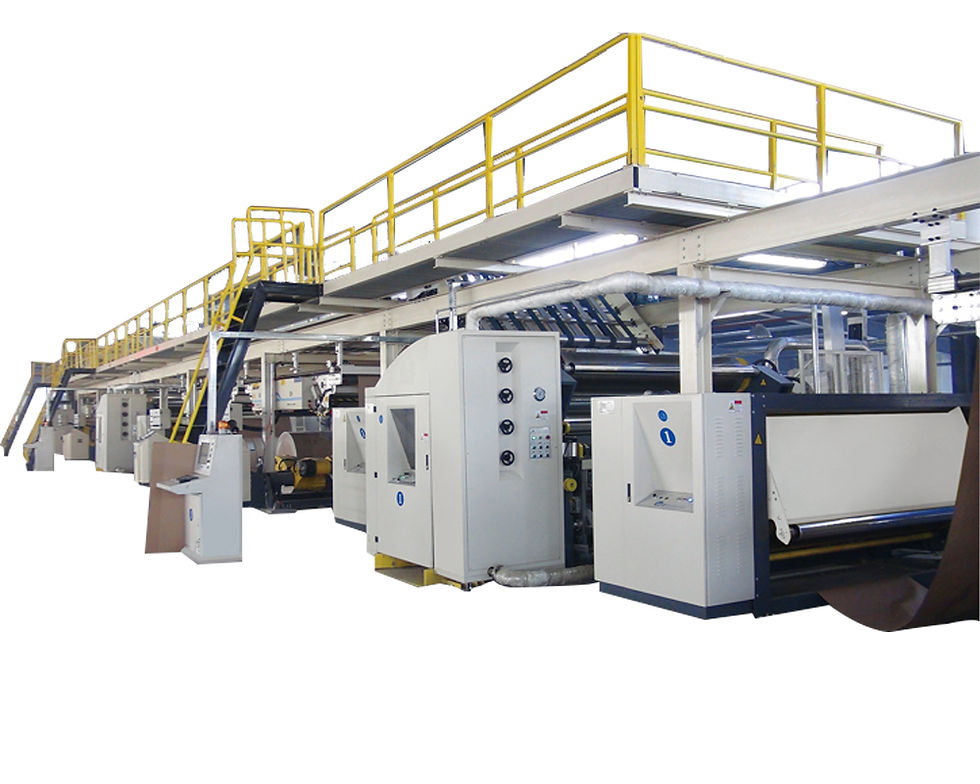
Step 4: Invest in the Right Machinery
Your machinery setup depends on your production scale (manual, semi-automatic, or fully automatic).
Common Corrugated Box Machines:
Corrugation machine
Sheet cutter
Rotary cutting & creasing machine
Pasting machine
Printing machine (Flexo or Offset)
Slotting and stitching machine
✅ Do:
Purchase from reliable suppliers with after-sales support.
Start with semi-automatic machines if you’re testing the market.
Schedule regular maintenance to avoid downtime.
❌ Don’t:
Overinvest in fully automatic lines unless you have confirmed bulk orders.
Compromise on machine quality to save cost — it affects product consistency.
Step 5: Source Quality Raw Materials
Key materials include:
Kraft paper
Adhesives
Stitching wire
Ink and printing chemicals
✅ Do:
Maintain a steady supply chain with trusted kraft paper mills.
Keep a balance between paper quality and cost efficiency based on customer needs.
❌ Don’t:
Rely on a single supplier — always have backup sources.
Step 6: Skilled Workforce and Training
Train your team in machine operation, safety, and quality control. Skilled workers ensure fewer rejections and smoother production.
✅ Do:
Conduct regular skill upgrades and incentivize good performance.
Implement quality checks at every production stage.
❌ Don’t:
Ignore workplace safety or overwork employees — it leads to accidents and turnover.
Step 7: Marketing and Customer Acquisition
Once production is set, focus on sales and customer relationships.
✅ Do:
Build relationships with local manufacturers, e-commerce sellers, and distributors.
Create a professional website and social media presence.
Offer customization, fast delivery, and competitive pricing to stand out.
❌ Don’t:
Rely solely on one large client — diversify your customer base.
Step 8: Financial Management and Growth
Keep close track of cash flow, credit terms, and margins. Many packaging startups fail due to poor financial discipline.
✅ Do:
Invest gradually in automation as orders increase.
Focus on sustainability — eco-friendly packaging attracts premium clients.
❌ Don’t:
Neglect inventory management — overstocking leads to wastage.
Final Thoughts
Starting a corrugated box company is a promising venture if approached strategically. The keys to success are quality, consistency, and customer trust. Focus on efficient operations, maintain high standards, and keep adapting to market changes — especially with the growing demand for sustainable and lightweight packaging.
Comments